General objective
To investigate the chemical composition, potential analgesic activity and molecular mechanisms of Syzygium aromaticum essential oil using an integrated network pharmacology, molecular docking and experimental approach.
Specific objectives
To extract essential oil from the dried flower buds of Syzygium aromaticum.
To determine the physicochemical characteristics and chemical composition of the extracted clove essential oil.
To identify major bioactive constituents of the oil using GC-MS.
To predict potential molecular targets of the identified major constituents using computational databases.
To identify pain- and nociception-associated molecular targets and determine the overlapping targets between clove-oil constituents and pain-related targets.
To construct compound–target–pathway and protein–protein interaction networks and identify key hub targets.
To perform GO and KEGG enrichment analyses to identify biological processes and signalling pathways potentially involved in the analgesic activity.
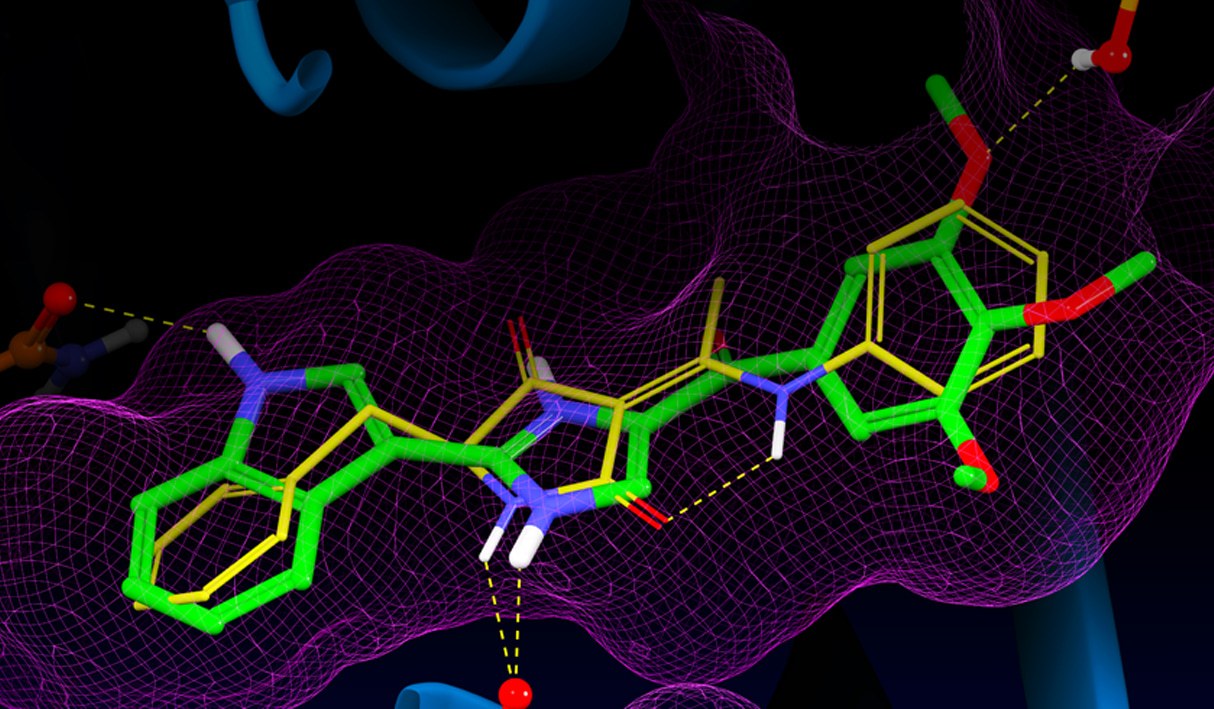
To investigate the binding interactions between major clove-oil constituents and selected hub proteins using molecular docking.
To experimentally evaluate the analgesic/antinociceptive activity of clove essential oil.
To compare the experimental findings with the computationally predicted mechanisms and develop an integrated mechanistic model.
Phase I — Extraction of clove oil
Use authenticated dried flower buds of Syzygium aromaticum.
Extraction options
For a pharmaceutical chemistry project, I would recommend:
Hydrodistillation using a Clevenger apparatus
because it is relatively inexpensive and gives you a defensible method for essential-oil research.
Record:
Mass of plant material
Volume of oil obtained
Extraction time
Oil yield (% v/w)
Colour
Odour
Density/specific gravity if facilities permit
Refractive index
Solubility characteristics
Calculate:
You should conduct at least three independent extraction batches, rather than treating one extraction as the experiment.
Phase II — Chemical characterization
This is extremely important.
Don't perform network pharmacology simply using "clove oil" as if it were one compound.
Essential oil is a mixture.
The chemical profile should therefore establish what is actually present in your extract.
Preferred technique
GC-MS
You would expect eugenol to be a major constituent, but you should allow the analytical data to determine the actual composition.
Possible constituents may include:
Eugenol
Eugenyl acetate
β-caryophyllene
α-humulene
other sesquiterpenes/phenylpropanoids
The exact composition should be reported from your experimental GC-MS data rather than assumed from literature.
Very important methodological point
Your network-pharmacology compounds should preferably be selected based on:
Your experimentally determined GC-MS composition + literature-supported bioactive constituents.
This makes the computational component directly connected to your laboratory material.
Phase III — Network pharmacology
This is where your project becomes considerably more interesting.
Step 1: Build the compound list
Suppose GC-MS identifies 10 major compounds.
Create an Excel sheet such as:
Compound
CAS No.
PubChem CID
% abundance
SMILES
Molecular formula
You can then prioritize compounds according to:
abundance
literature evidence of biological activity
availability of chemical structures
predicted drug-likeness
target availability
7. Define the "pain" target universe
This needs to be done carefully.
Instead of searching only for "analgesic targets", construct a comprehensive pain-related target set.
Possible databases include:
GeneCards
DisGeNET
Open Targets
OMIM
DrugBank, where accessible
CTD
Therapeutic Target Database
Search terms could include:
Pain
Nociception
Acute pain
Chronic pain
Inflammatory pain
Neuropathic pain
Analgesia
Nociceptive pain
You can then normalize the targets using UniProt.
8. Target intersection
You will have two major datasets:
Dataset A
Targets predicted for clove-oil constituents.
Dataset B
Pain-associated targets.
Then:
Clove constituent targets ∩ pain-associated targets = candidate therapeutic targets
This becomes one of the central figures of the paper.
A Venn or UpSet plot can show the overlap.
9. Protein–protein interaction analysis
Use STRING to generate the PPI network.
Then import the network into Cytoscape.
You can use:
Degree
Betweenness centrality
Closeness centrality
MCC using cytoHubba
to identify hub proteins.
For example, you might find targets associated with:
prostaglandin synthesis
inflammatory cytokines
TRP channels
opioid signalling
MAPK signalling
NF-κB signalling
PI3K/AKT signalling
But do not decide beforehand that these will be your findings. Let the network analysis identify the important targets.
10. GO and KEGG enrichment
Perform:
GO
Biological Process
Molecular Function
Cellular Component
KEGG
The analysis could potentially identify pathways related to:
inflammatory mediator signalling
arachidonic acid metabolism
MAPK signalling
NF-κB signalling
calcium signalling
neuroactive ligand–receptor interaction
TRP-channel-associated signalling
serotonergic/dopaminergic pathways
Again, these are hypotheses to test, not conclusions to insert beforehand.
11. Compound–target–pathway network
This could become one of the major figures in your manuscript.
For example:
Eugenol ↓
Target 1, Target 2, Target 3... ↓
Inflammation / nociception pathways ↓
Pain modulation
You could build this in Cytoscape.
A particularly interesting network would be:
Compound → Target → Pathway → Biological effect
12. Molecular docking
After identifying your hub proteins, select perhaps 5–8 high-priority targets for docking.
Do not dock every target.
Select targets using criteria such as:
network centrality
biological relevance to pain
strong literature evidence
availability of a high-quality protein structure in PDB
suitable binding pocket
availability of experimental ligand/reference inhibitor where possible
Then dock the major constituents, particularly the compounds that are abundant in your GC-MS profile.
Ideally compare:
Clove constituent vs reference ligand
For example:
Eugenol → selected pain-related protein
versus
established ligand/inhibitor → same protein.
This provides a much stronger interpretation than reporting docking scores alone.
13. Laboratory validation
This is the critical second half of your study.
You have several possible approaches.
A. In-vitro approach
If your laboratory facilities permit, you could investigate mechanisms associated with:
inhibition of inflammatory mediators
COX-related activity
LOX-related activity
antioxidant activity
membrane stabilization
cytokine modulation
This would provide mechanistic support without immediately requiring animal experimentation.
14. In-vivo analgesic validation
If your institution has an appropriately approved animal research facility and ethical approval, you could use established nociception models.
Potential models include:
Acute nociception
Hot-plate test
Primarily evaluates centrally mediated nociceptive responses.
Peripheral/chemical nociception
Acetic-acid-induced writhing
Useful for evaluating peripheral analgesic/antinociceptive activity.
More mechanistically informative
Formalin-induced paw-licking test
This is particularly attractive because it has two phases:
early phase — predominantly neurogenic pain
later phase — inflammatory pain
That distinction could complement your network pharmacology findings.
For example, if the computational analysis predicts strong involvement of inflammatory signalling, inhibition of the later formalin phase would provide interesting biological support.
All animal experiments would require appropriate institutional ethical approval, humane endpoints and adherence to applicable animal-research guidelines.
15. Include a positive control
Your experimental design should include a recognized analgesic comparator.
Depending on the model, this could be an established analgesic such as:
paracetamol/acetaminophen
diclofenac
ibuprofen
morphine
The exact control should be selected according to the model and your institution's approved protocol.
You should also have:
Negative/vehicle control
and preferably several doses of clove oil.
16. An important issue with essential oil
There is one major complication:
Essential oils are lipophilic.
Therefore, you cannot simply administer an oil preparation in an aqueous vehicle without considering dispersion and vehicle effects.
Your formulation/vehicle must therefore be scientifically justified.
You also need to distinguish:
analgesic activity
from
general sedation or motor impairment.
Otherwise, reduced movement could be incorrectly interpreted as analgesia.
A behavioural/motor-control assessment is therefore valuable if you conduct animal studies.
17. I would strengthen the project with toxicity evaluation
Before interpreting analgesic activity, establish an appropriate safety margin.
Depending on the resources available, consider:
acute toxicity assessment according to an accepted guideline
observation of behavioural changes
body weight
food/water intake
gross toxicity signs
selected biochemical/haematological parameters if feasible